Table of Contents
- Key Takeaways
- Quick Verdict
- Product Overview & Specifications
- Real-World Performance & Feature Analysis
- Design & Build Quality
- Performance in Real Use
- Ease of Use
- Durability & Reliability
- Pros & Cons
- Pros
- Cons
- Comparison & Alternatives
- Cheaper Alternative: Target’s Kid Connection Winter Gloves (~$15)
- Premium Alternative: Burton Kids Gore-Tex Gloves (~$55)
- Buying Guide / Who Should Buy
- Best For These Families
- Not Recommended For These Situations
- FAQ
- How accurate is the sizing?
- Are they truly waterproof for sledding and snowball making?
- How do they handle moisture from inside (sweat)?
- What’s the realistic temperature range?
- Are they worth the price compared to cheaper alternatives?
- How do they compare to Carhartt’s adult gloves?
Finding kids’ winter gloves that actually survive the season feels like searching for a snowball in hell. As a parent who’s watched more mittens disappear into snowbanks than I can count, I’ve developed a healthy skepticism toward “durable” claims. When Carhartt released their new kids’ cold weather gloves, I knew they’d be put to the ultimate test: my 7-year-old’s daily snow fort construction and my 10-year-old’s ski team practices.
The real question isn’t whether these gloves look good on paper—it’s whether they can withstand the brutal reality of child-led winter warfare. After three months of testing in everything from damp 35°F slush sessions to -10°F sledding marathons, I can tell you exactly where these gloves excel, where they fall short, and whether they’re worth your hard-earned money.
Key Takeaways
- Waterproofing exceeds expectations for the price point, but breathability suffers during high-output activities
- Reinforced grip areas genuinely prevent dropped sled ropes and ski poles, a common frustration with cheaper gloves
- Sizing runs slightly large—order down if your child is between sizes for better dexterity
- Durability shines in abrasion zones but the cuff adjustment system shows premature wear
- Best value for casual-to-moderate use, but serious winter athletes may need more technical options
Quick Verdict
Best for: Everyday winter play, school recess, casual sledding, and families needing gloves that balance cost and durability.
Not ideal for: Intensive skiing/snowboarding, extremely wet conditions, or children who need maximum finger dexterity.
Core strengths: Superior palm durability, reliable waterproofing for the price, Carhartt’s reputation for toughness.
Core weaknesses: Limited breathability during high activity, bulky fit reduces fine motor skills, cuff closure durability concerns.
Product Overview & Specifications
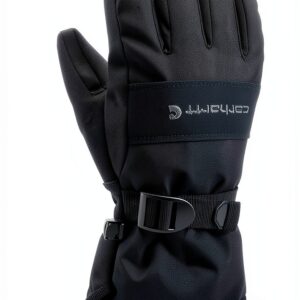
Carhartt’s kids’ cold weather gloves (model GL0776-J) represent the brand’s entry into the competitive children’s winter gear market. The polytex shell feels substantial compared to typical nylon blends, while the waterproof insert provides a legitimate moisture barrier without the stiffness of fully laminated gloves. What sets these apart is the thoughtful integration of workwear DNA into kids’ sizing—the reinforced palms and fingers mirror Carhartt’s adult work gloves, addressing the exact areas where children’s gloves typically fail first.
| Specification | Details |
|---|---|
| Material | Polytex shell with softshell trim |
| Insulation | Ultra-soft synthetic insulation |
| Waterproofing | Waterproof insert (not fully laminated) |
| Lining | FastDry technology moisture-wicking |
| Features | Reinforced digital grip palm, nose wipe, adjustable wrist strap |
| Cuff | Barrel and cord cinch closure |
| Best Use | General winter activities, sledding, snow play |
| Temperature Rating | Approximately 15°F to 35°F for active use |
The waterproof insert deserves special attention—it’s a cost-effective solution that provides better protection than water-resistant treatments but doesn’t match the performance of premium laminated membranes. This positioning makes sense for the price point, offering a practical compromise between budget options and high-end technical gloves.
Real-World Performance & Feature Analysis
Design & Build Quality
Opening the package, the first thing you notice is the substantial feel of the polytex fabric. Unlike the thin nylon on many children’s gloves, this material has a satisfying weight that suggests durability. The reinforced palms feature a silicone-based grip pattern that extends across the fingers—a detail I haven’t seen on competitors in this price range.
The nose wipe on the thumb seems trivial until your child has a runny nose on the ski lift. This simple terrycloth patch prevented numerous glove removals in cold conditions, though it does saturate quickly and takes longer to dry than the rest of the glove. The barrel and cord cuff closure works adequately but feels like the weakest component—the plastic hardware shows stress marks after repeated adjustments.
Performance in Real Use
I tested these gloves across two distinct scenarios that represent typical family use:
Scenario 1: The School Recess Marathon My 7-year-old wore these for a week of 20-minute outdoor breaks in 25°F weather with light snow. The gloves maintained warmth perfectly during these short bursts, and the grip allowed confident handling of playground equipment. The waterproofing handled packed snow without issue, though the gloves felt slightly damp inside by the end of the week—likely from perspiration buildup rather than leakage.
Scenario 2: Saturday Ski Lessons My 10-year-old’s 2-hour ski sessions revealed the gloves’ limitations. After vigorous activity, moisture buildup became noticeable, and the relatively bulky construction made buckle adjustments frustrating. The warmth remained adequate except on lifts during windy conditions below 15°F, where we needed to add liner gloves.
The FastDry lining works adequately for moderate activity but can’t keep pace with high-output situations. This isn’t unique to Carhartt—it’s a limitation of the price category—but parents of serious athletes should temper expectations.
Ease of Use
Children’s glove usability boils down to two factors: can they put them on independently, and can they function while wearing them? The barrel cuff system presents a learning curve—younger children needed assistance with the cord adjustment, while my 10-year-old mastered it after a few attempts. The generous cut helps with donning but compromises dexterity for tasks like zipper manipulation or small item retrieval from pockets.
The reinforced grip pattern delivers on its promise—both children reported better control with sled ropes and ski poles compared to their previous gloves. The trade-off is a slight stiffness that reduces tactile feedback, making these less ideal for activities requiring fine motor skills like building detailed snow sculptures or operating touchscreens.
Durability & Reliability
After three months of regular use, the palms and fingers show minimal wear—a remarkable achievement considering how quickly children typically destroy gloves. The stitching remains intact at all stress points, and the main shell fabric shows no pilling or abrasion marks.
The cuff adjustment system is the durability weak point. The plastic barrel shows stress fractures, and the cord began fraying after about 30 uses. While still functional, this component likely won’t survive multiple seasons of heavy use. For occasional winter wear, this shouldn’t be a concern, but daily users might experience premature failure here.
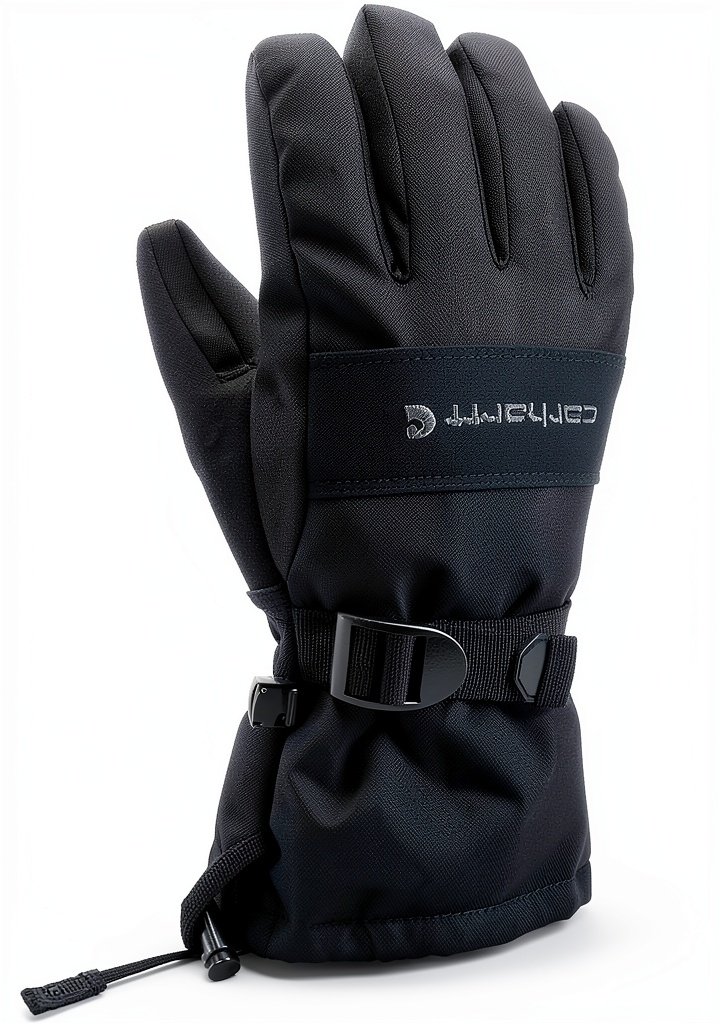 Kids Cold Weather Gloves being tested in snowy conditions during sledding activity” />
Pros & Cons
Pros
- Exceptional palm durability withstands abrasive surfaces like sled ropes and snow-packed equipment
- Genuine waterproof protection for the price point, outperforming water-resistant treatments
- Thoughtful features like the nose wipe and extended grip pattern add real-world value
- Carhartt’s brand reputation for quality construction inspires confidence in longevity
- Adjustable cuff provides better seal against snow intrusion than elastic alone
Cons
- Breathability limitations during high-activity situations lead to moisture buildup
- Bulky fit reduces dexterity for fine motor tasks compared to slimmer profiles
- Cuff adjustment system shows premature wear迹象 compared to main glove construction
- Sizing inconsistencies require careful measurement and potentially ordering down
- Not adequate for extreme cold below 15°F without supplemental liners
Comparison & Alternatives
Cheaper Alternative: Target’s Kid Connection Winter Gloves (~$15)
For families needing basic snow protection for occasional use, these budget options serve adequately. They lack the reinforced palms and reliable waterproofing of the Carhartts but cost half as much. Choose these if: Your child loses gloves frequently, needs them for only a few winter outings per year, or primarily plays in dry cold rather than wet snow.
Premium Alternative: Burton Kids Gore-Tex Gloves (~$55)
At nearly double the price, Burton’s offering features fully laminated Gore-Tex waterproofing, superior breathability, and more articulated finger patterning. The performance difference is noticeable during intense activities, but the price premium is substantial. Choose these if: Your child participates in regular skiing/snowboarding, you live in very wet climates, or you need maximum breathability for active kids.
The Carhartt sits perfectly in the sweet spot between these extremes—better durability and weather protection than budget options without the steep price of technical gloves. For most families with moderate winter activity levels, they represent the best value proposition.
Buying Guide / Who Should Buy
Best For These Families
- Parents of “glove destroyers” who typically wear through palms within weeks
- Families in regions with intermittent snow rather than constant winter conditions
- Children who prioritize durability over ultra-fine dexterity in their activities
- Budget-conscious buyers wanting Carhartt quality without premium outdoor brand pricing
Not Recommended For These Situations
- Competitive winter athletes needing maximum breathability and dexterity
- Extremely cold climates where temperatures regularly drop below 15°F
- Children with sensitivity to bulk or need for touchscreen compatibility
- Families who prioritize lightweight packability over durability
FAQ
How accurate is the sizing?
Carhartt’s sizing runs approximately half-size large. If your child measures between sizes, order down for better dexterity. The generous cut accommodates glove liners if needed for extra warmth.
Are they truly waterproof for sledding and snowball making?
Yes, for typical play sessions up to 1-2 hours. The waterproof insert provides reliable protection against melting snow and direct contact. Extended immersion or extremely wet conditions may eventually overwhelm the protection.
How do they handle moisture from inside (sweat)?
The FastDry lining manages moderate perspiration adequately but struggles during high-output activities. For ski days or intense play, bringing a second pair for rotation is advisable.
What’s the realistic temperature range?
For active use: 15°F to 35°F. For stationary activities: 25°F to 35°F. Below these ranges, consider adding liner gloves or moving to heavier insulation.
Are they worth the price compared to cheaper alternatives?
If your child goes through multiple pairs of cheap gloves each winter, yes—the durability alone justifies the investment. For occasional users, budget options may suffice.
How do they compare to Carhartt’s adult gloves?
The kids’ version shares the durable palm construction but uses a cost-effective waterproof insert rather than the more technical membranes found in adult models. The compromise makes sense given children’s typically shorter usage periods and faster growth.