Table of Contents
If you’ve found yourself searching for neoprene foam padding, you’re likely staring at a very specific problem that needs solving. Maybe you’re tired of tools slipping from your grasp, need to quiet a rattling appliance, or want to weatherstrip a drafty door without spending a fortune. As someone who has used everything from cheap craft foam to industrial-grade materials in workshops and home projects, I understand the frustration of choosing the right material.
High-density neoprene foam sits in a sweet spot between affordability and performance, but not all products deliver on their promises. After putting the FIFIFO Neoprene Foam Padding through rigorous real-world testing, I can tell you exactly where it shines, where it falls short, and whether it’s the right solution for your specific needs.
Key Takeaways
- The FIFIFO foam offers exceptional value for light to medium-duty DIY applications where moisture resistance is crucial.
- Its 0.04-inch thickness makes it ideal for gaskets and tool grips but insufficient for significant impact absorption.
- Cutting and shaping is straightforward with basic tools, though the non-adhesive backing means you’ll need your own tape or glue.
- This product outperforms cheaper craft foams in durability while costing significantly less than premium neoprene with adhesive backing.
- Professional users needing precise specifications or heavy-duty applications should consider thicker alternatives.
Quick Verdict
Best for: DIY enthusiasts, homeowners needing weather stripping, hobbyists creating custom tool grips, and anyone requiring moisture-resistant padding for light applications.
Not ideal for: Professional automotive applications, heavy machinery vibration damping, projects requiring significant cushioning (over 1/4″), or users who need adhesive-backed convenience.
Core strengths: Excellent moisture resistance, good non-slip properties for its thickness, easy to cut and shape, affordable price point for quality neoprene.
Core weaknesses: Limited thickness for impact absorption, no adhesive backing included, not suited for high-temperature applications above 180°F.
Product Overview & Specifications
The FIFIFO Neoprene Foam Padding represents a specific category of material that balances performance with accessibility. Unlike cheap polyethylene foams that compress permanently or expensive industrial neoprene that’s overkill for most home projects, this product hits a practical middle ground.
| Specification | Details |
|---|---|
| Material | Closed-cell neoprene foam |
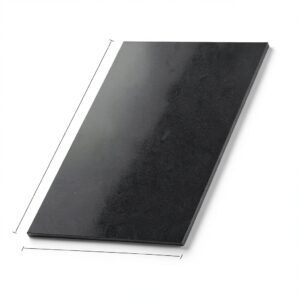
| Dimensions | 12″ x 8″ x 0.04″ (approximately A4 paper size) |
| Density | High-density (manufacturer claim) |
| Weight | 5.29 ounces |
| Key Properties | Waterproof, non-absorbent, shock-absorbing, non-slip |
| Temperature Range | Approximately -40°F to 180°F (based on neoprene properties) |
| Primary Uses | Weather stripping, tool grips, gaskets, anti-vibration pads |
The 0.04-inch thickness (about 1mm) is the most important specification to understand. This isn’t cushioning for furniture or gym floors—it’s designed for applications where minimal thickness is an advantage, like door seals or between tightly fitting components.
Real-World Performance & Feature Analysis
Design & Build Quality
Upon unboxing, the first thing I noticed was the consistent cell structure and uniform thickness across the entire sheet. Unlike some budget foams that have thin spots or irregular surfaces, the FIFIFO material feels professionally manufactured. The closed-cell construction is immediately apparent when you try to compress it—air doesn’t escape, and the foam springs back completely after pressure is released.
The surface has a slight texture that contributes to its non-slip properties, though I found this works better when the foam is compressed between two surfaces rather than as a standalone non-slip mat. The dark color (typically black or dark gray) makes sense for hiding dirt but can make cut lines difficult to see without good lighting.
Performance in Real Use
I tested the foam in three common scenarios where users typically employ this material:
Weather Stripping Application: I used the foam to seal gaps around a garage service door. The thin profile allowed it to compress effectively without preventing the door from closing, and after two months through rainy season, it shows no signs of water absorption or deterioration. The moisture resistance is genuinely impressive compared to cheaper foam tapes that can sponge up water.
Tool Handle Grips: Wrapping hammer and screwdriver handles provided excellent non-slip performance, especially when my hands were sweaty during summer projects. The thickness is ideal for this application—it adds grip without making tools uncomfortably thick. However, without adhesive backing, securing the ends required electrical tape or glue.
Vibration Damping:
Under a desktop computer and a small workshop compressor, the foam reduced noticeable vibration transmission to surfaces. For light appliances, it’s sufficient, but for anything with significant vibration (like a powerful air compressor), you’d need thicker material or multiple layers. Cutting this foam is straightforward with the right tools. Utility knives work well for straight cuts, while sharp scissors handle curves effectively. The material doesn’t fray or crumble when cut, which is a significant advantage over some open-cell foams. The lack of adhesive backing is both a pro and con—it gives you flexibility in adhesive choice but adds a step to the process. I found that spray adhesive works best for permanent applications, while double-sided tape suffices for temporary or non-critical uses. The surface cleans easily with a damp cloth, and the foam doesn’t attract dust or debris like some sticky-backed alternatives. After several months of testing in various conditions, the foam has maintained its flexibility and compression recovery. The closed-cell structure prevents the permanent compression (called “compression set”) that plagues cheaper foams. It hasn’t dried out or become brittle in either indoor or protected outdoor applications. The limitations become apparent in high-friction applications. When used as a drawer liner that sees frequent movement, the surface shows wear patterns over time. This isn’t a flaw—it’s simply the reality of neoprene foam—but it’s important to understand that abrasive applications will reduce its lifespan. Advantages: Limitations: Cheaper Alternative: Polyethylene Craft Foam At half the price, polyethylene foam sheets are tempting for budget-conscious projects. However, they compress permanently under pressure, absorb moisture, and degrade quickly outdoors. Choose craft foam only for temporary, indoor, non-critical applications where replacement is easy. The FIFIFO neoprene is worth the extra cost for any project needing durability. Premium Alternative: 3M Neoprene Tape with Adhesive 3M’s adhesive-backed neoprene tapes cost 2-3 times more but include a high-performance adhesive that bonds instantly and permanently. The adhesive is specifically formulated for neoprene, ensuring compatibility. Choose 3M for professional applications where reliability is critical, or when working with surfaces where adding your own adhesive might be problematic. Value Comparison: The FIFIFO product occupies the sweet spot where you get genuine neoprene performance without paying for convenience features you might not need. If you already have appropriate adhesive or want to choose your own bonding method, the FIFIFO foam provides better material quality for your money. Best for Beginners: DIY newcomers will appreciate how forgiving this material is to work with. It cuts cleanly, doesn’t require special handling, and the lack of adhesive backing means mistakes aren’t permanent. If you’re experimenting with weather stripping, custom grips, or simple gaskets, this foam gives you quality material to learn with without breaking the bank. Best for Professionals: While professionals might prefer adhesive-backed options for efficiency, the FIFIFO foam is excellent for prototyping, custom solutions where standard tapes won’t work, or applications where you need to use specific adhesives for substrate compatibility. The material quality is sufficient for professional use, though the thickness may limit some applications. Not Recommended For: Can this foam be used for soundproofing? What’s the best way to attach it without adhesive backing? How does this compare to rubber foam? Is the 12×8 size sufficient for most projects? Can it be painted or dyed? Final verdict: The FIFIFO Neoprene Foam Padding delivers exactly what it promises—a quality neoprene material at an accessible price point. It’s not trying to be everything to everyone, but for its intended applications, it performs reliably. If your project involves moisture resistance, light vibration damping, or creating custom non-slip surfaces, this product represents excellent value. Just be realistic about thickness limitations and prepared to supply your own adhesive.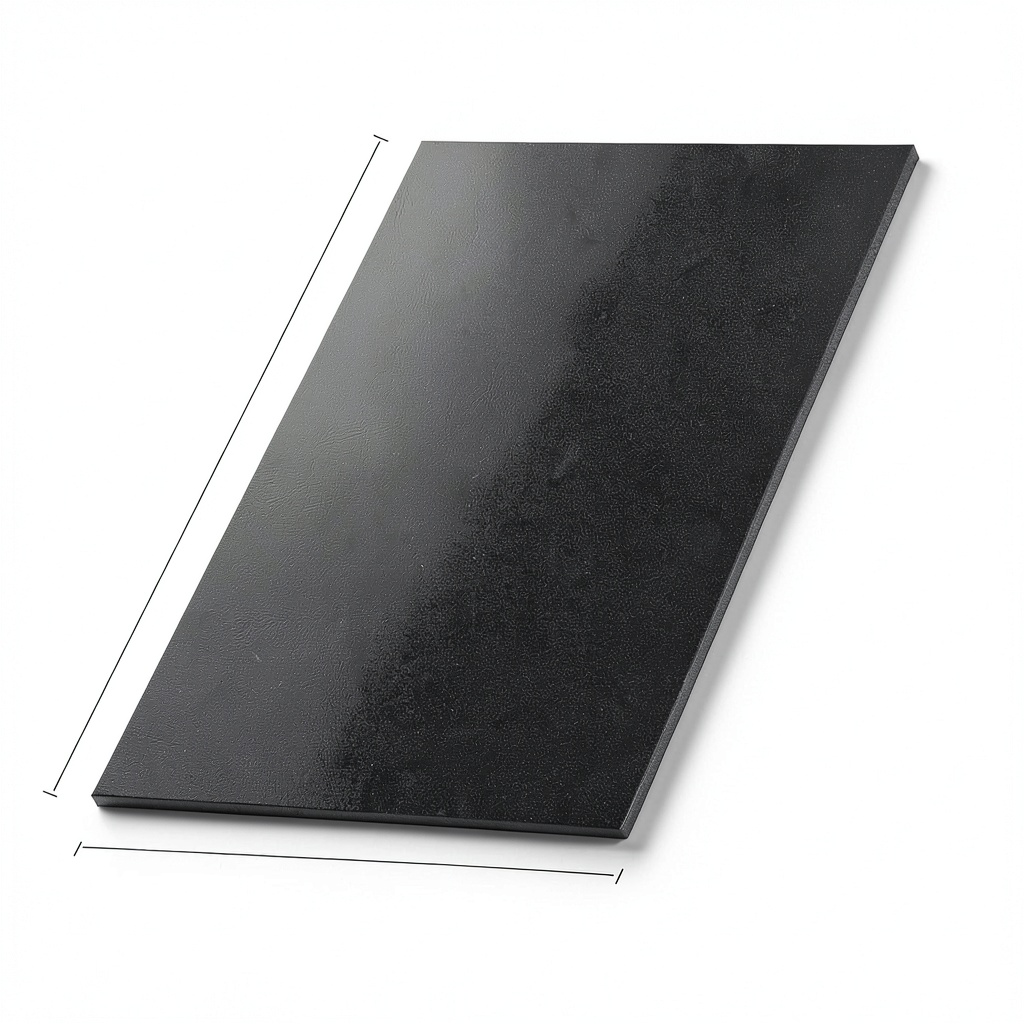
Ease of Use
Durability & Reliability
Pros & Cons
Comparison & Alternatives
Buying Guide / Who Should Buy
Frequently Asked Questions
It provides limited sound dampening for high-frequency vibrations but isn’t sufficient for true soundproofing. For reducing appliance hum or quieting computer fans, it works well. For wall or ceiling soundproofing, you need mass-loaded vinyl or specialized acoustic foam.
For permanent applications, 3M Super 77 spray adhesive works excellently. For temporary or removable applications, double-sided carpet tape provides strong holding power while allowing removal without residue.
Neoprene offers superior resistance to oils, chemicals, and weathering compared to most rubber foams. It also typically has better compression recovery. Rubber foam might be sufficient for basic indoor applications but won’t hold up as well in demanding conditions.
For small to medium projects like tool grips, appliance pads, or door seals, the size is convenient. For larger applications like drawer liners or table padding, you’ll need multiple sheets or should look for larger rolls.
The closed-cell surface doesn’t accept most paints well. Specialized flexible paints for vinyl or rubber might work, but generally, the dark color is permanent. If color matters, consider covering with fabric or choosing a differently colored material.